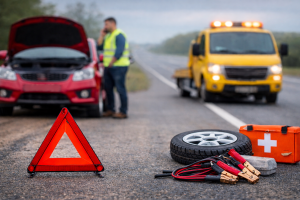
Breaking down on the road is something no driver wants to deal with, but it happens more often than people expect. It can feel stressful, especially if you are in traffic or far from help. The good news is that if you stay calm and follow the right car breakdown steps, you can handle the situation safely. If you ever find yourself stuck, reaching out to a reliable service like a tow truck near me can help you get back on track without unnecessary delays.
Many drivers panic when their car suddenly stops working, but knowing what to do in advance makes a big difference. Having some basic roadside emergency tips in mind will help you stay in control of the situation. The key is to focus on safety first, then figure out what went wrong, and finally decide whether you can fix it or need professional help.
Common Causes of Car Breakdowns
Car breakdowns usually do not happen without a reason. In most cases, there are warning signs that drivers tend to ignore. One of the most common causes is a weak or dead battery. This is especially true during cold weather in Canada, where batteries lose power faster.
Flat tires are another frequent issue. Nails, sharp objects, or worn-out tires can easily lead to a sudden puncture. Engine overheating is also a major reason why cars stop working. This often happens when coolant levels are low or when there is a problem with the radiator.
Sometimes, the issue is as simple as running out of fuel. It sounds basic, but it happens more often than you might think. Electrical problems, faulty alternators, and worn belts can also cause your vehicle to shut down without warning.
According to Transport Canada, regular maintenance checks can prevent most of these problems. A well-maintained vehicle is far less likely to leave you stranded.
Immediate Safety Steps to Take
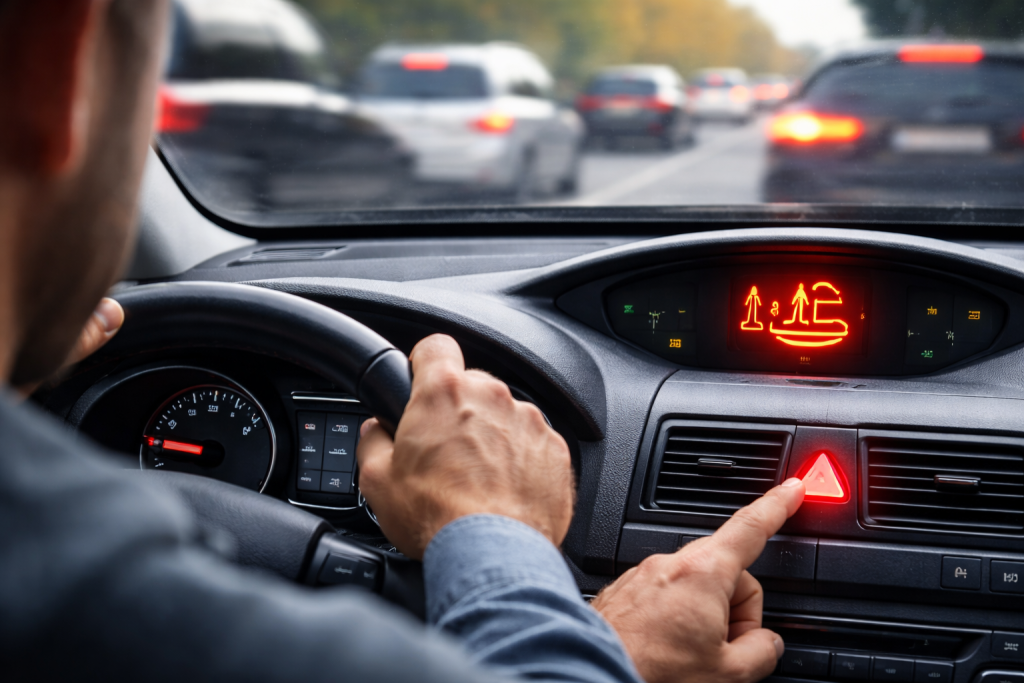
The moment your car shows signs of trouble, your focus should be on getting to a safe place. If possible, slowly move your vehicle to the side of the road or onto the shoulder. Turn on your hazard lights right away so other drivers can see you.
If you are on a busy road or highway, it is usually safer to stay inside your vehicle with your seatbelt on. Getting out can put you at risk, especially if traffic is moving fast. If you must step बाहर, make sure you move far away from the road.
If you have warning triangles or reflective markers, place them behind your vehicle. This helps other drivers notice your car from a distance. At night or in poor weather, visibility becomes even more important.
For official advice, you can check Canadian road safety guidelines, which provide practical steps for drivers in emergency situations.
Quick Checks You Can Perform
Once you are safe, you can try to understand what caused the problem. Start by looking at your dashboard. Warning lights can give you a clue about what went wrong. For example, a battery light or engine light can point you in the right direction.
If your car is not starting, it could be a battery issue. In that case, a jump start might help. If you suspect a flat tire, take a look around your vehicle and check for visible damage.
If your engine overheated, you might notice steam coming from under the hood. In this case, do not open the radiator cap immediately. Give it time to cool down first.
If you smell fuel or notice any leaks, do not try to fix the problem yourself. It is safer to call a professional in such situations.
When to Call for Professional Help
Sometimes, it is simply not worth trying to fix the problem on your own. If your vehicle is not moving at all, or if the issue seems serious, calling a professional is the best decision.
Roadside assistance services can handle many types of problems. They can tow your vehicle, jump-start your battery, change your tire, or even deliver fuel if you run out. These services are especially useful if you are stuck in an unfamiliar area.
In Canada, long distances and changing weather conditions make professional help even more important. Having a trusted towing service can save you a lot of time and stress.
You can also explore CAA roadside assistance, which is widely used across Canada and offers dependable support for drivers in emergency situations.
Why Acting Quickly Matters
When your car breaks down, time is not on your side. The longer your vehicle stays on the road, the higher the chances of an accident. Acting quickly helps reduce risks for both you and other drivers.
Delaying action can also make the problem worse. For example, continuing to drive with an overheating engine can lead to serious damage. Small issues can turn into expensive repairs if they are ignored.
Taking quick and smart action helps you stay safe and prevents further trouble.
Emergency Services You Should Know About
It is always helpful to know what kind of help is available when your car breaks down. Towing services are there when your car cannot be driven. Battery boost services help when your car refuses to start.
Fuel delivery is useful if you run out of gas unexpectedly. Tire change services can get you back on the road quickly if you have a flat tire. Lockout services are also available if you accidentally leave your keys inside the car.
Knowing about these services means you are never completely stuck, no matter what happens.
Choosing the Right Roadside Assistance Provider
Not every service provider offers the same level of support. It is important to choose a company that is reliable and available when you need it.
Look for a provider that offers 24 hour service and has good customer reviews. Fast response time is important, especially during emergencies. You also want a team that knows how to handle your vehicle properly.
A professional service gives you peace of mind, knowing that help is on the way.
Stay Prepared with the Right Roadside Emergency Tips
Being prepared can save you from a lot of stress during a breakdown. Having access to reliable roadside emergency tips can help you deal with situations like a dead battery quickly and safely.
Keep an emergency kit in your car with items like jumper cables, a flashlight, water, and basic tools. These small things can make a big difference.
Regular vehicle maintenance is just as important. Check your battery, tires, and fluid levels from time to time. Simple checks can prevent major problems later.
When you combine preparation with the right knowledge, handling a breakdown becomes much easier.
Final Thoughts
Car breakdowns can happen to anyone, but they do not have to turn into a nightmare. Staying calm, focusing on safety, and knowing when to call for help are the most important things.
If you follow the right steps, you can handle the situation confidently and avoid unnecessary risks. A little preparation goes a long way in keeping you safe on the road.
FAQs
1. What should I do immediately after my car breaks down?
Move your car to a safe spot if possible and turn on your hazard lights. Your safety should always come first.
2. Can I drive my car after it starts again?
It depends on the issue. If the problem was minor, like a battery, you might be able to drive. But if you are unsure, it is better to get it checked.
3. How long does roadside assistance usually take?
Response time depends on your location, but most services try to reach you within 30 to 60 minutes.
4. What should I keep in my car for emergencies?
You should have jumper cables, a flashlight, water, a first aid kit, and basic tools in your emergency kit.